

Chapter Five: An overview of Christian groups
The subject would take volumes. In the early centuries the heresy of Gnosticism swept through the ancient world like a serpent with a dozen heads, but it was defeated. In the fourth century […]
The subject would take volumes. In the early centuries the heresy of Gnosticism swept through the ancient world like a serpent with a dozen heads, but it was defeated. In the fourth century […]
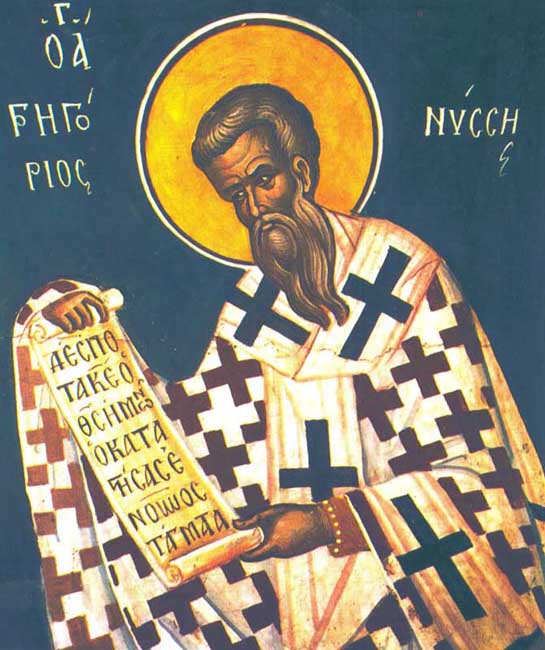
We do not have sufficient data about the details of his life, but we can trace its stages through information scattered in his writings, from letters
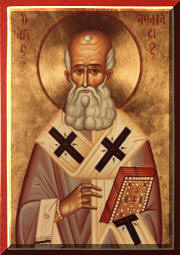
He is the twentieth Patriarch (Pope) [1] of the See of Alexandria. He is known as the “Protector of the Faith” and the “Father of Orthodoxy,” and he is one of the fathers who defend true and authentic surrender.
” ..وبربٍ واحد يسوع المسيح ابن الله الوحيد. المولود من الآب قبل كل الدهور، نور من نور، إله حق من
What is the Constitution of Faith? Historical overview... The Constitution of Faith First: What is the Constitution of Faith?
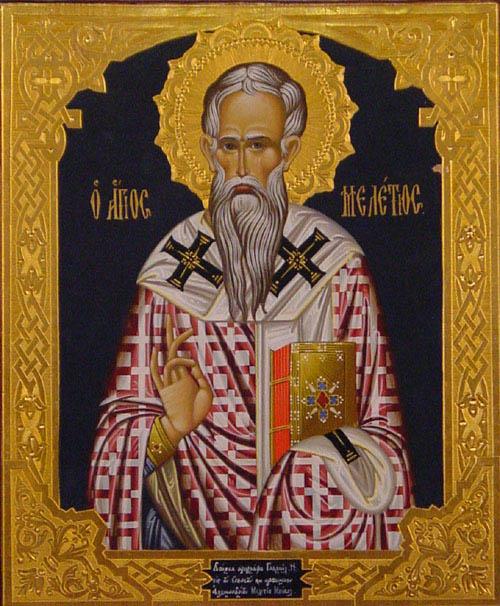
He is one of the fathers of the fourth century AD. St. Gregory the Theologian described him as “a pious, meek, humble heart whose lights of the Holy Spirit shine.”
The Church of Alexandria: Persecution disturbed the peace of the Church in Alexandria. In the year 306, Peter, its bishop, wrote a treatise on how to accept deniers, but he opposed him
Repercussions of Arius' heresy: Alexandros learned about what Arius taught and heard the objection of some believers to these new teachings. He called the two parties to discuss
Conspiracy against the Bishop of Antioch: The Ecumenical Council was unable to eradicate the seeds of discord. When some of the assembled bishops returned to their dioceses, the
The return of Arius: In the fall of 334, Constantine wrote to Arius inviting him to appear before him and confirming his readiness to return him to his homeland.
Arius is breathing his last: Egypt was not satisfied with the work of the Council of Tyre and protested against it. Saint Anthony wrote to Constantine more than once.
Constantine II was satisfied with Athanasius and allowed him to return to Alexandria on June 17, 337. This pardon included