
2:10 - The body in worship in spirit and truth
“God is a spirit!” The most important innovation that Christianity brought to worship was its transformation and elevation to its perfection into “worship in spirit and truth” (John […]
“God is a spirit!” The most important innovation that Christianity brought to worship was its transformation and elevation to its perfection into “worship in spirit and truth” (John […]
1- Introduction Among the great Christian philosophers we know Father Daniel, who not only imitated the inhabitants of the Scetis wilderness in all their virtues, but
God allows suffering for our benefit: If any ship traveling on the seas is overtaken by storms and strong waves, it will be wrecked and sink, unless...
This chapter is suitable to be a chapter in the second section of this book. However, his presence here gives the viewer historical pleasure
The body is the temple of the Holy Spirit... Father Elias Markos from the ontological and entity level and at the level of creation in terms of the organic structure of the human being
The apostle went on to another subject, while leaving the subject of salvation as a given, contenting himself with what he had shown us. This subject
“For we know that the law is spiritual, but I am carnal, sold under sin” (Romans 7:14). 1 - And because the Apostle Paul said:
Introduction These pages are not a new translation of the Divine Liturgy service written by Saint John Chrysostom. Nor is it a study for this service
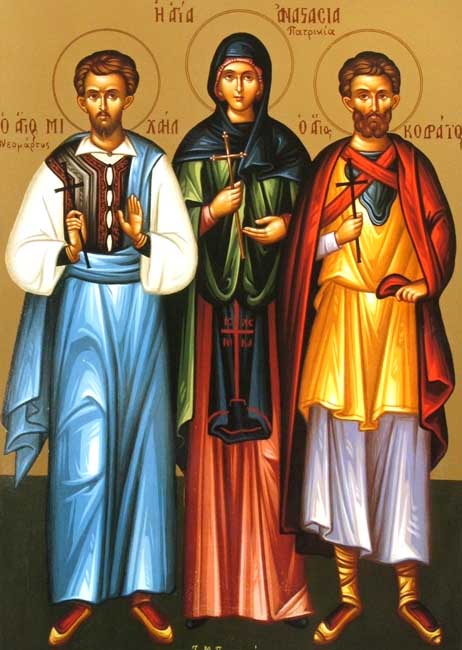
She was born in Constantinople, during the time of Emperor Justinian (527-565 AD). She grew up in a family of nobles and was raised in piety and the fear of God.
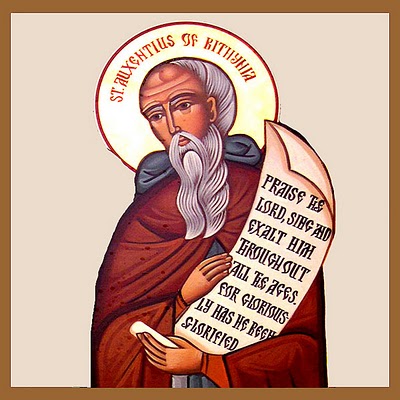
Efxandius's father was a Persian Christian who fled to Syria in the year 360 due to the persecution of Sapor, king of the Persians. There he got married
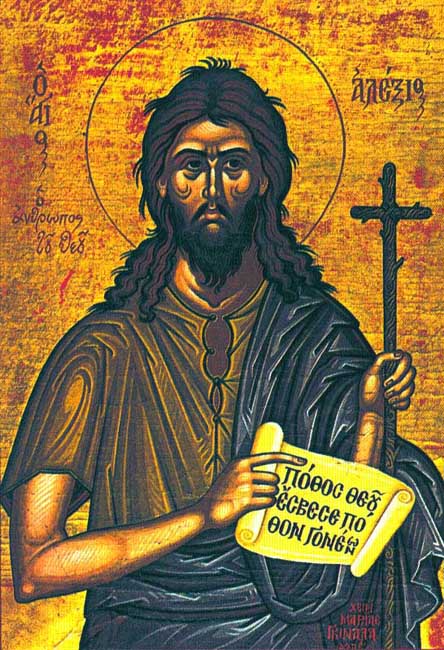
Saint Alexius was born in Rome in the late fourth century AD (380 AD) to pious parents close to the imperial court. His father was
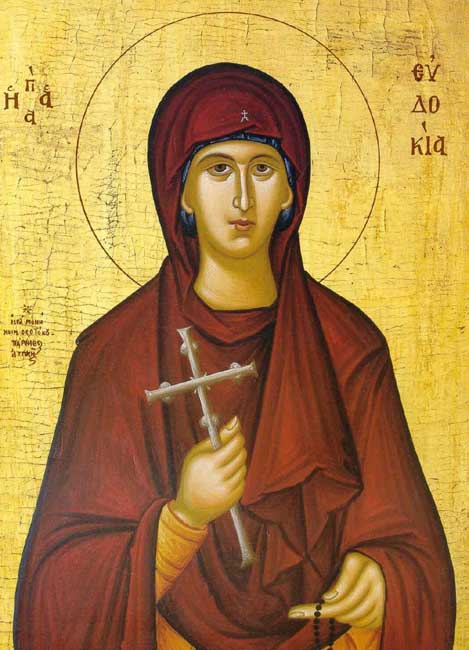
Avdokia was of Samaritan origin and settled in the city of Baalbek at the time of the Roman Emperor Traian (96-116 AD). She was not a Christian at first, but rather a pagan.