
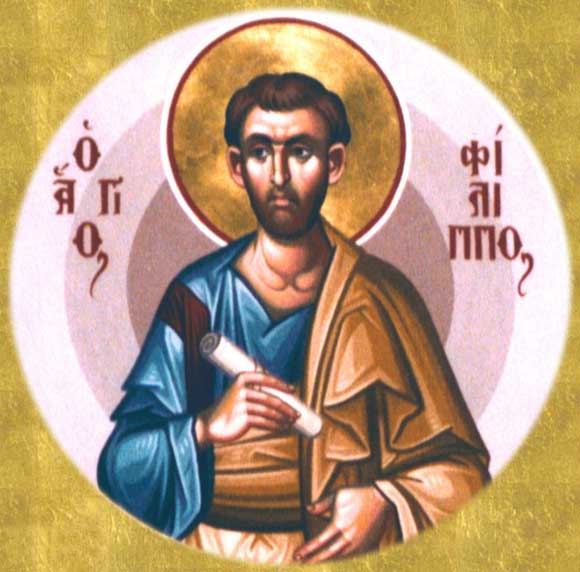
Philip the Apostle is one of the seven deacons
The primary source of our information about Saint Philip the Apostle is the Book of Acts of the Apostles. Chapter 6 mentions him by name as one of the seven deacons […]
The primary source of our information about Saint Philip the Apostle is the Book of Acts of the Apostles. Chapter 6 mentions him by name as one of the seven deacons […]
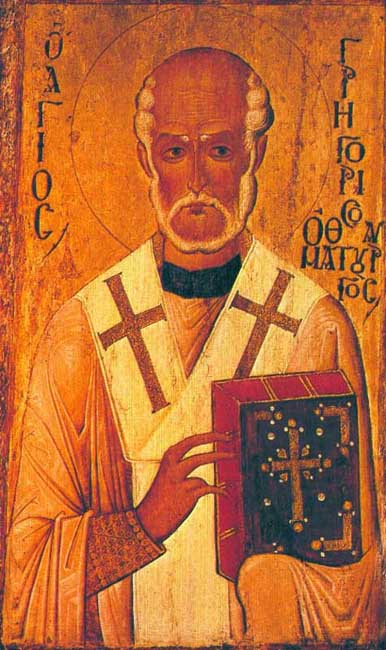
He was born in the new city of Caesarea in the Land of Pontus (currently in Turkey) around the year 213 AD. His parents were pagans, and his name was Theodoros
He was orphaned at the age of sixteen. He retired to the wilderness in the New Caesarea region on the Euphrates. He joined the banner of one of the so-called hermits
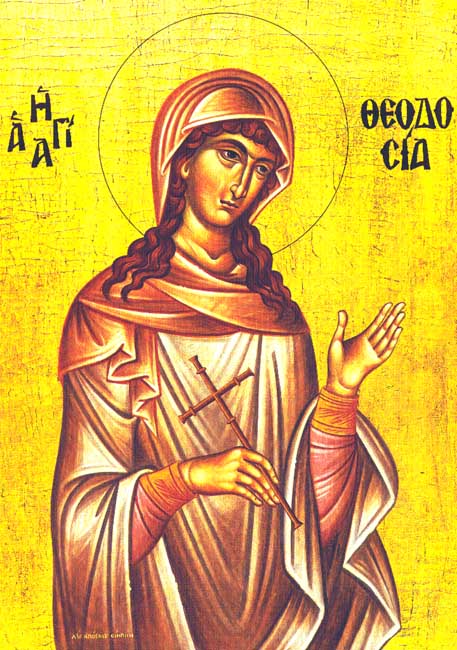
Scholars see her martyrdom between the years 307-308 AD. Urban was the ruler of Caesarea at the time, and he had a great killing against Christians during the reign of Emperor Diocletian.
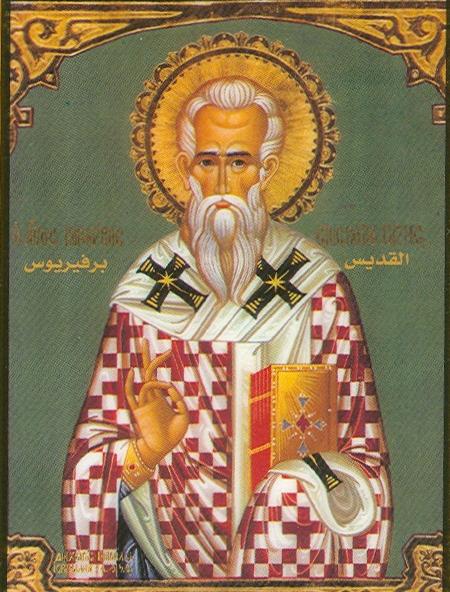
Saint Porphyrius was born in Thessaloniki/Greece to parents rich in virtues and wealth. He attained abundant knowledge and turned away from the blessings of the earth.
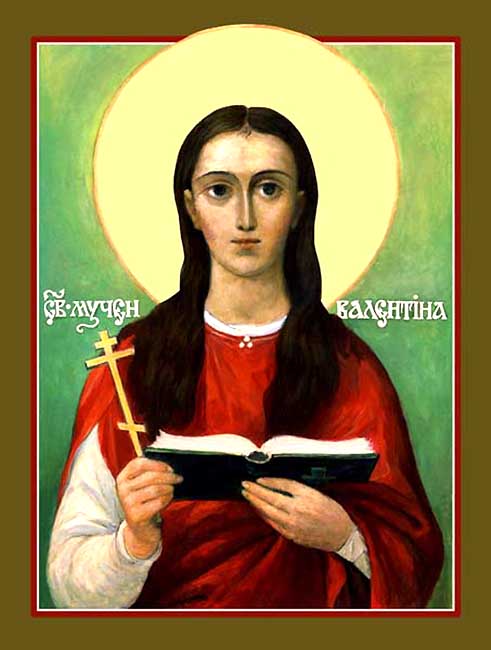
Ephesus of Caesarea mentioned the biography of their martyrdom in his book on the martyrs of Palestine. The ruler of Caesarea Palestine at that time was called Vermilian. In his days he raged
Al-Qudsi martyred Mephilus and his eleven companions in Caesarea Palestine during the time of the Roman Emperor Maximinus Dea within the year
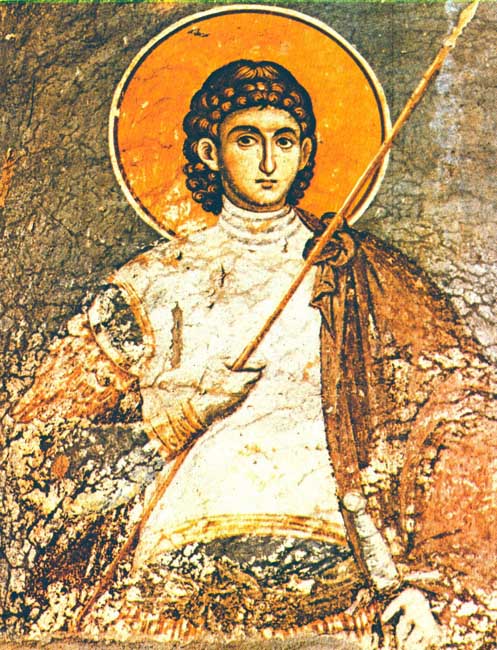
His mother was a rich pagan woman and her husband was a devout Christian. They had a very beloved son, Nyanya... “Saint Procopius.” He was raised according to his mother's belief
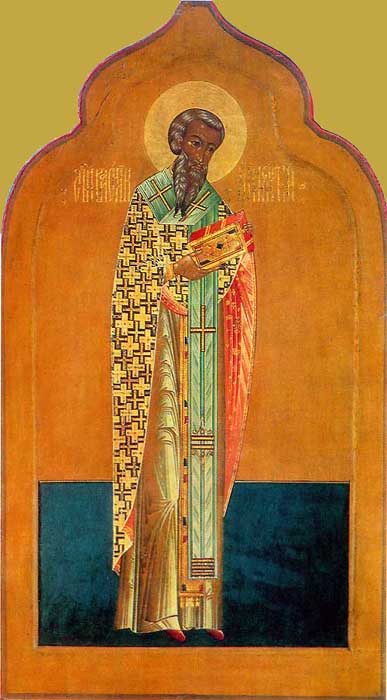
Saint Basil lived during a time of great persecution against Christians. During that time he was bishop of Amasia, in the country of Pontus. a job
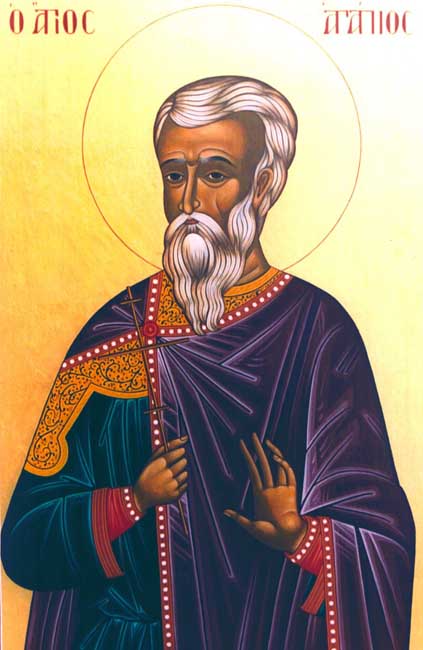
The news of these saintly martyrs was mentioned in the book “The Martyrs of Palestine” by Ephesus of Caesarea (Chapter Three). The Emperor of Rome at that time was Diocletian and the ruler of Palestine
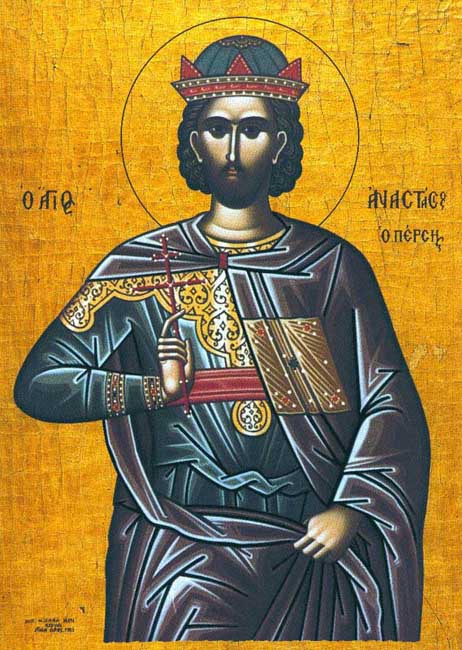
On the twenty-second day of January, our Holy Church celebrates the saintly martyr Anastasius the Persian. In the year 614, the Persians attacked
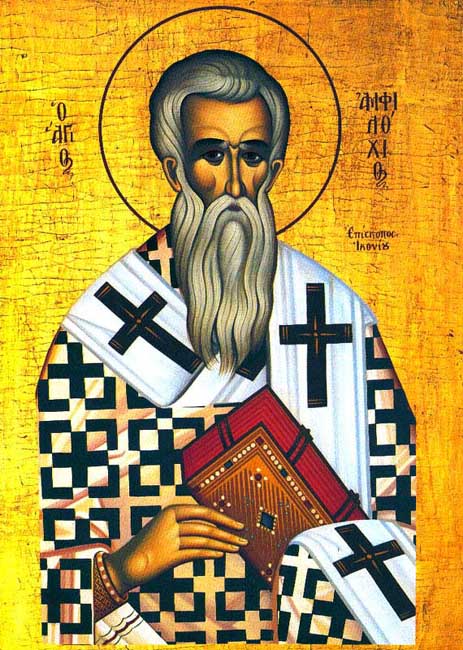
He is one of the most prominent fathers who participated in the Second Ecumenical Council in Constantinople in the year 381, which was the council that refuted the heresy of Macedonius.