
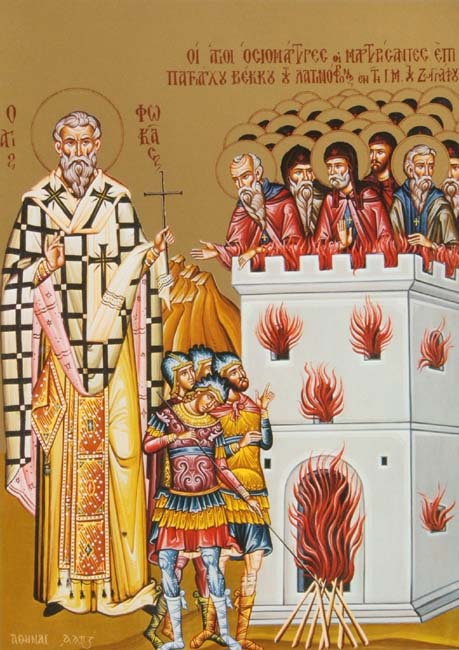
Above the martyr, Bishop of Sinope
The martyr Foka lived in the second century and was bishop of Sinope on the Black Sea. An ancient manuscript dating back to the end of the fifth century says […]
The martyr Foka lived in the second century and was bishop of Sinope on the Black Sea. An ancient manuscript dating back to the end of the fifth century says […]
Gabriel was Archbishop of Serbia in the seventeenth century. His people were in great distress because of Turkish colonialism. The country's economy was
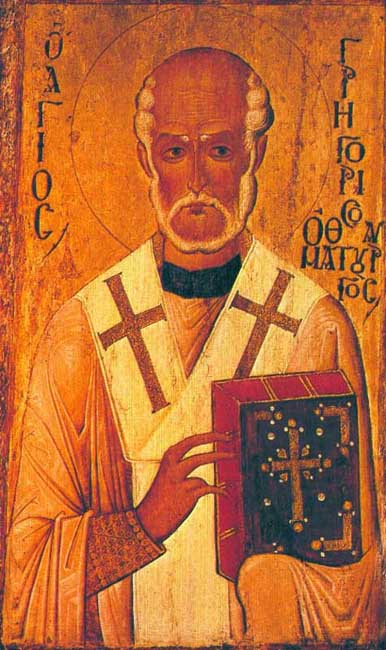
He was born in the new city of Caesarea in the Land of Pontus (currently in Turkey) around the year 213 AD. His parents were pagans, and his name was Theodoros
Who is he? His name was originally Ghantus the Blacksmith. He is the son of Girgis bin Ghantous from Abiy, one of the villages in the west (Mount Lebanon).
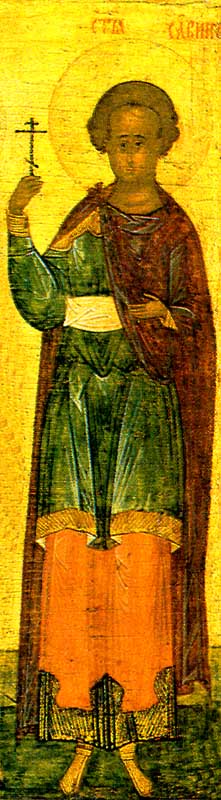
From one of the prominent families in Hermopolis on the Nile. He is famous for his activity in favor of Christianity. When it was a time of great persecution, during the days of Emperor Theocalcitems,
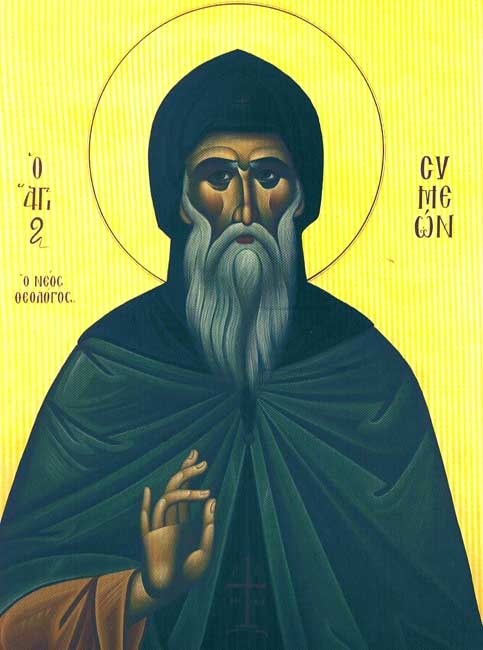
Among the shining stars in the sky of the righteous saints, three are worthy of the title of “theologian”: Saint John the Evangelist, the disciple whom Jesus loved.
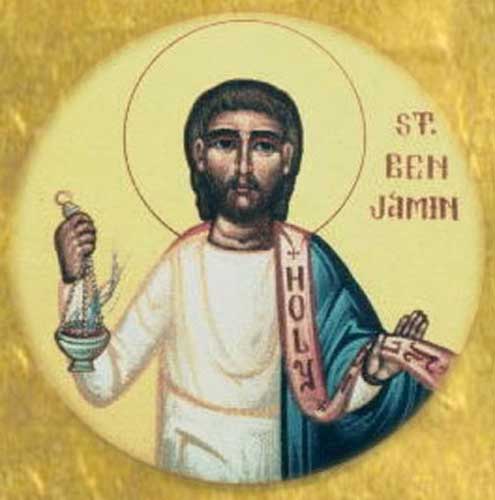
He was the deacon of the holy martyr Abd al-Farsi (September 5) in Persia (Iran). He spent the days of King Yazdgerd I (399-420). catch
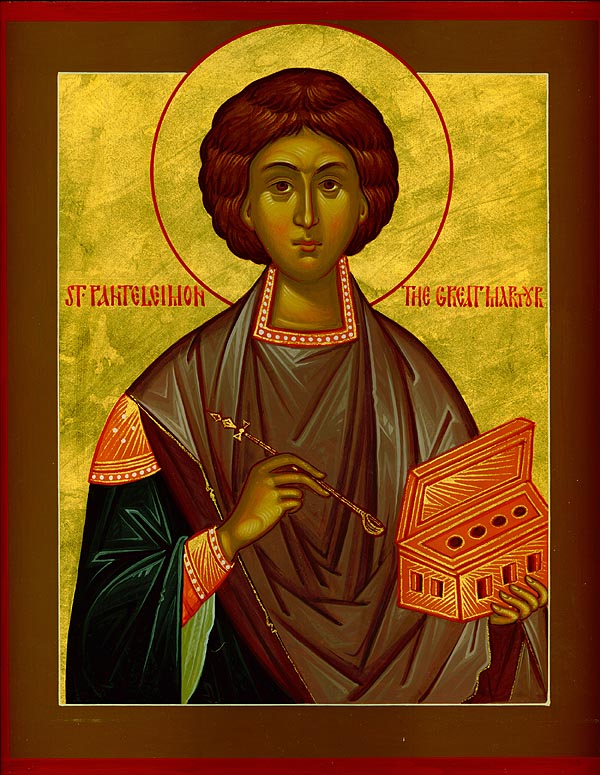
Panteleimon was born around 284 AD in the city of Nicomedia and was called Pandolionta. His father, Eustorgius, was a pagan and his mother, Eupholis, was a Christian.
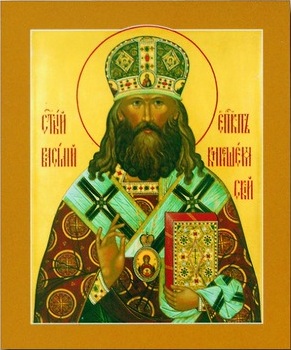
Throughout the ages, Christians have been nourished by the lives of the saints: the apostles, the high priests, the desert monks, the martyrs, and the tourists. Today Christians face pressure
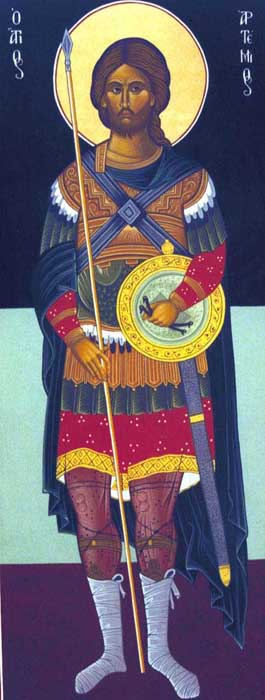
Saint Artamius was one of the most prominent statesmen in the days of Emperor Constantine the Great. He was a military governor of Alexandria and the rest of Egypt, and then
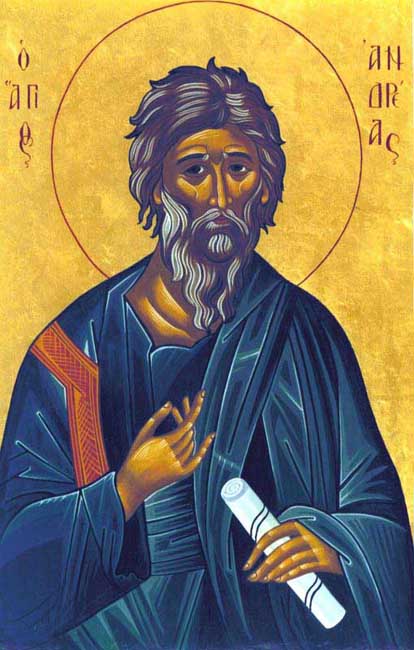
Saint Andrew is the apostle who was first called by the Lord Jesus, and his name means the brave, the steadfast, or the gentleman. He was a disciple of John
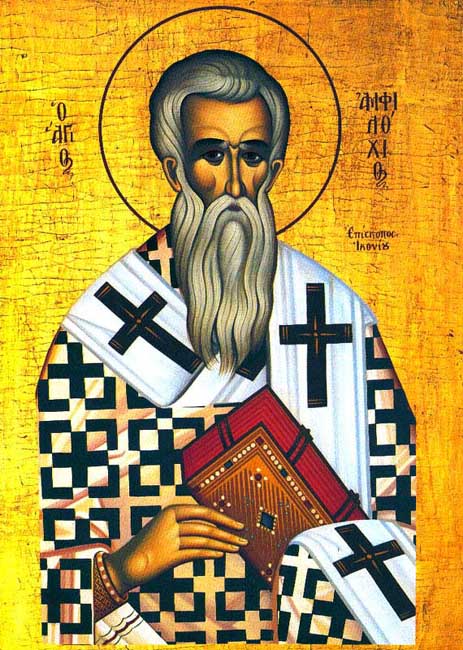
He is one of the most prominent fathers who participated in the Second Ecumenical Council in Constantinople in the year 381, which was the council that refuted the heresy of Macedonius.