Rome and Constantinople before the Great Schism
The Great Schism 936-1054 The influence of the Germans in Rome: Othon I, the German king (936-973), took care of the affairs of his state, managed the rule with skill and skill, and subjugated […]
The return of Arius: In the fall of 334, Constantine wrote to Arius inviting him to appear before him and confirming his readiness to return him to his homeland.
Arius is breathing his last: Egypt was not satisfied with the work of the Council of Tyre and protested against it. Saint Anthony wrote to Constantine more than once.
Constantine II was satisfied with Athanasius and allowed him to return to Alexandria on June 17, 337. This pardon included
Son of Julius, son of Constantius I Chlorus. He is Gallus's paternal brother, and his father Julius is Constantine's paternal brother. Julian's mother, Basilina
Saint Basil the Great: A bright star shone in the sky of the Church during this period of its ordeal, illuminating its path and dazzling its enemies, thus increasing its strength.
Theodosius the Great: (379-395) Valens died in a battle with the Goths on the eighth of August in the year 378. The matter was grievous for Gratian, son of
Call to hold the Council: (381) {The Second Ecumenical Council is a natural result of the Council of Nicaea, because the Arians who said “that the Son
428 - 441 The vacancy of the Constantinople see: Atticus, Bishop of Constantinople, died in the fall of the year 425. Proclus, the secretary, ran for the succession.
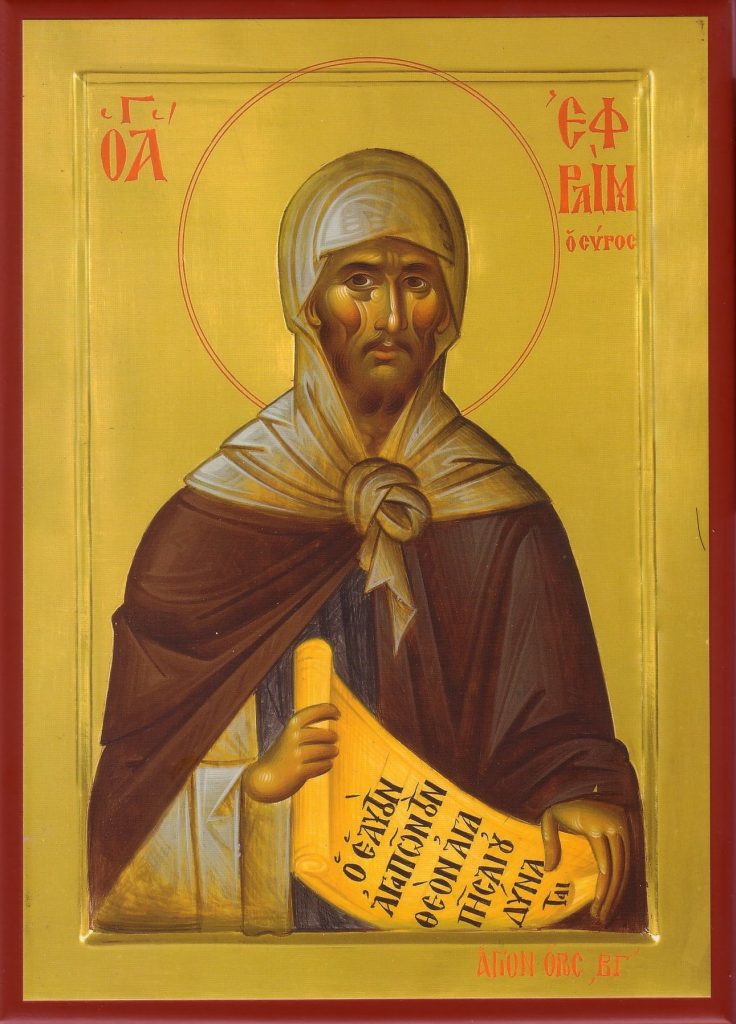
Ephrem the Syrian, or Ephrem the Syrian, or Ephrem of Nisibis, or Ephrem of Edessa, nicknamed “The Harp of the Holy Spirit,” is the most prominent father of the Orthodox Church.
“And when the Comforter comes, whom I will send to you from the Father, the Spirit of truth who proceeds from the Father, he will bear witness of me” (John 15:26)