
A sermon on the birth of the Lord by Saint Gregory of Nyssa
David the Prophet says, “Blow the trumpet at the beginning of the month for our joyful feast day” (1). The commandments concerning the teaching inspired by God (David […]
David the Prophet says, “Blow the trumpet at the beginning of the month for our joyful feast day” (1). The commandments concerning the teaching inspired by God (David […]
The Trinitarian doctrine and the Incarnation are two great challenges for intellectuals. And it wasn't long before a new denier of the Trinity emerged in the first quarter of the century.
Part One: The History of the Doctrine of the Divine Incarnation The Bible consists of two parts, the Old Testament and the New Testament. The Old Testament is specific to the Jews and is written
A necessary word: I was suffering from insomnia on the night of June 20/21, 1979, so I got up and took this book, and put the final touches on some of its pages.
We now intend to delve deeper into the content of the book and its internal structure. Our approach to it is not yet an external approach, but rather we will try to enter into it
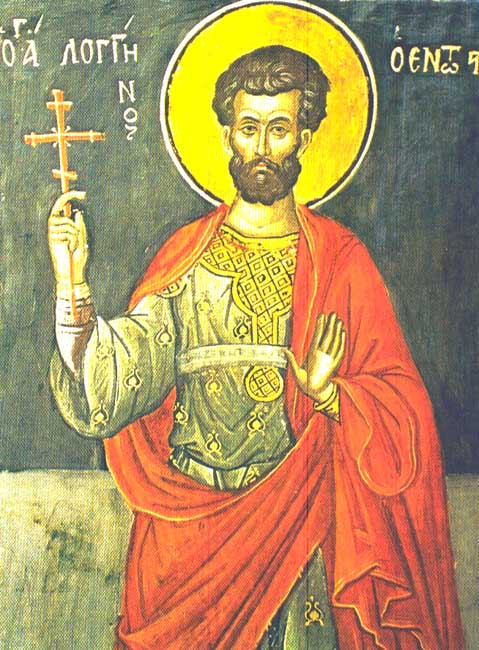
Saint Longinus lived during the time of Emperor Tiberius (15-34 AD). He is from Cappadocia (currently Türkiye), and was serving in the Roman army in
Philetus was a member of the church and had a wife named Lydia and two sons, Theobripius and Macedonius. The family believed in Christ and walked in piety. When they were stopped
Man cannot know the divine truth, that is, he cannot know the essence of God, but only knows the uncreated actions of God, that is, His effects. However, the Church tradition and the Holy Bible speak of specific appearances of God, the most important of which was His appearance to Abraham in the form of three angels. The Church Fathers say that this event is the first appearance of the Holy Trinity in the Old Testament.
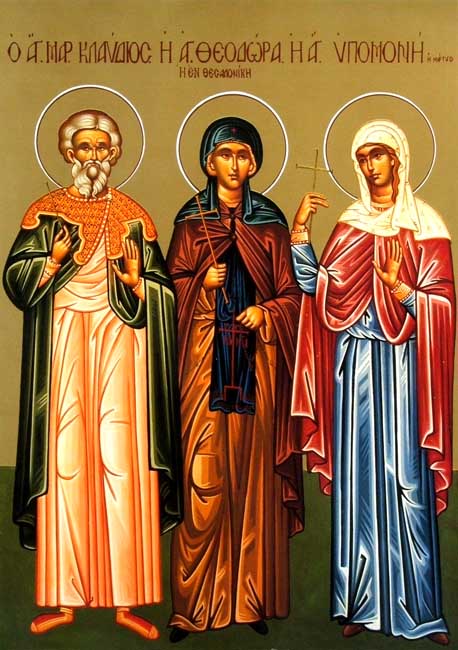
Theodora loved Christ from an early age in her life. When she did not want to give herself to the joys of worldly life, she joined someone
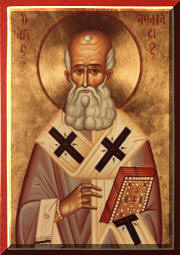
He is the twentieth Patriarch (Pope) [1] of the See of Alexandria. He is known as the “Protector of the Faith” and the “Father of Orthodoxy,” and he is one of the fathers who defend true and authentic surrender.