
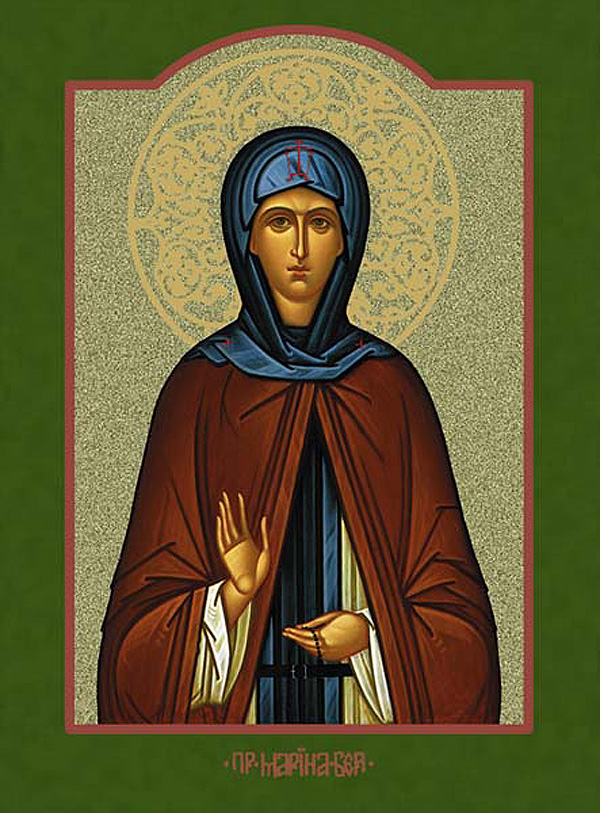
Kirana and Marana, the two saints of Aleppo
They are two Aleppo women from the city of Aleppo. They belonged to the noble class and were raised with a sophisticated upbringing. Marana and Kirana gave up the life of ease and livelihood
They are two Aleppo women from the city of Aleppo. They belonged to the noble class and were raised with a sophisticated upbringing. Marana and Kirana gave up the life of ease and livelihood
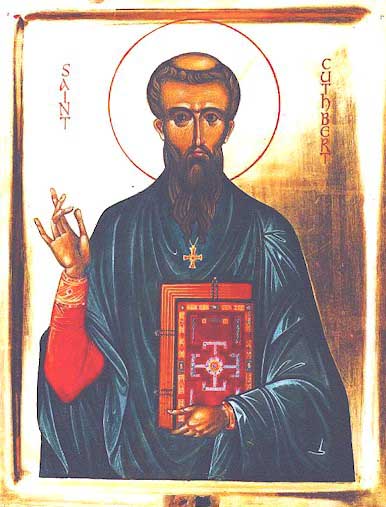
He was a cattle herder. He became a monk at Melrose Monastery. He often spent his nights staying up late and praying in the freezing water to combat the tyranny of drowsiness.
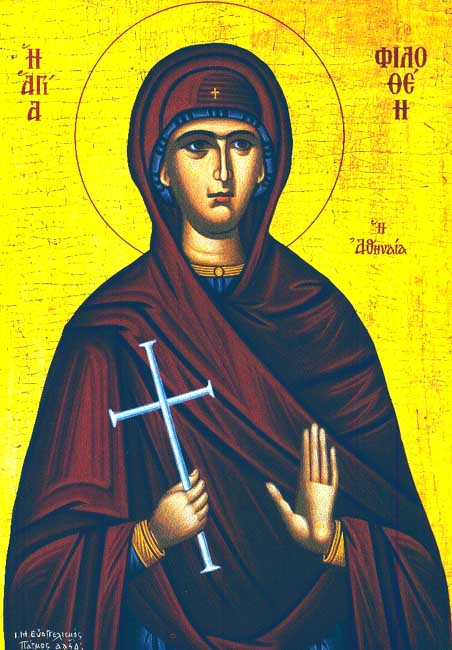
She was born in Athens, Greece, to a family known for its nobility. Her mother suffered from infertility, but did not take medication. Once she prayed fervently to the Mother of God and he came out
Philetus was a member of the church and had a wife named Lydia and two sons, Theobripius and Macedonius. The family believed in Christ and walked in piety. When they were stopped
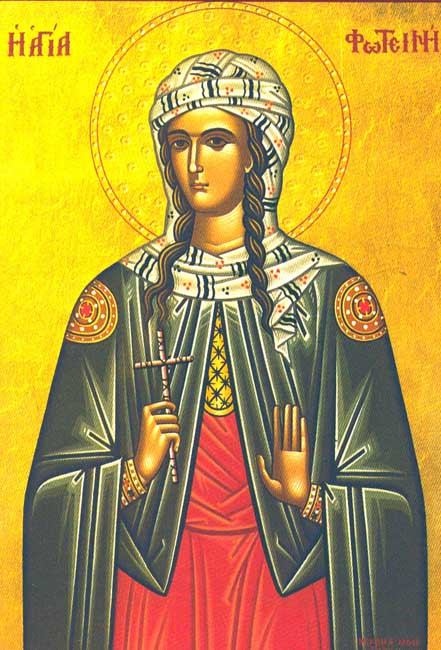
She is the Samaritan woman whom Jesus met at Jacob's Well, as mentioned in the Gospel of John (4:4-30). This saint preached
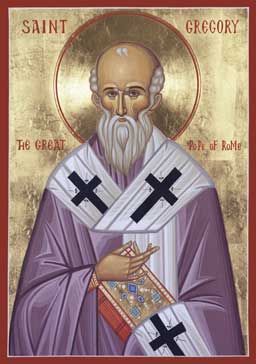
The Mass known as “Pre-sanctified” is attributed to him, which is held during the days of Great Lent, except for Saturdays and Sundays. He is called Saint
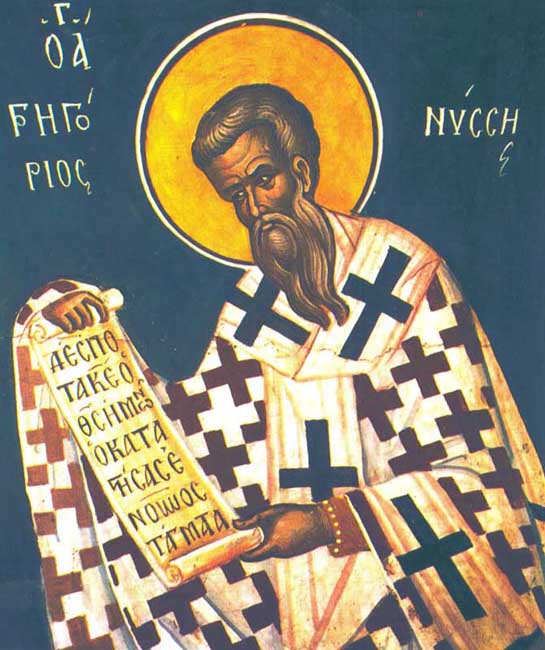
We do not have sufficient data about the details of his life, but we can trace its stages through information scattered in his writings, from letters
These people apparently died as martyrs for Christ at the time of the Roman Emperor Diocletian (284-305 AD), and they are from our country, even if they were not specified in the article.
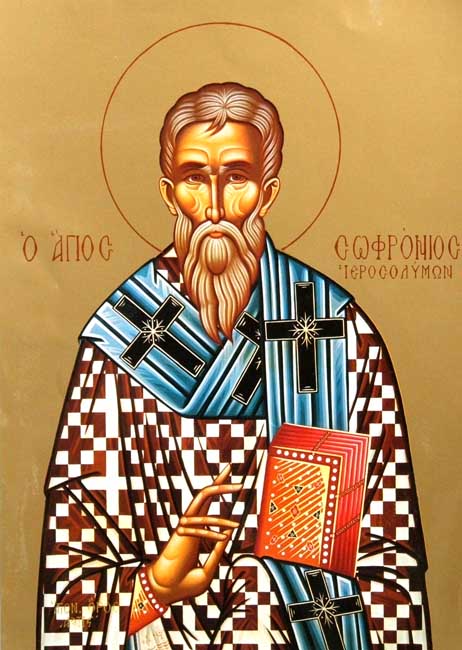
A saint from Antioch, Sophronius, whose name means “chastity,” was born in Damascus, to two pious and chaste parents, Planthus and Myra. That was about
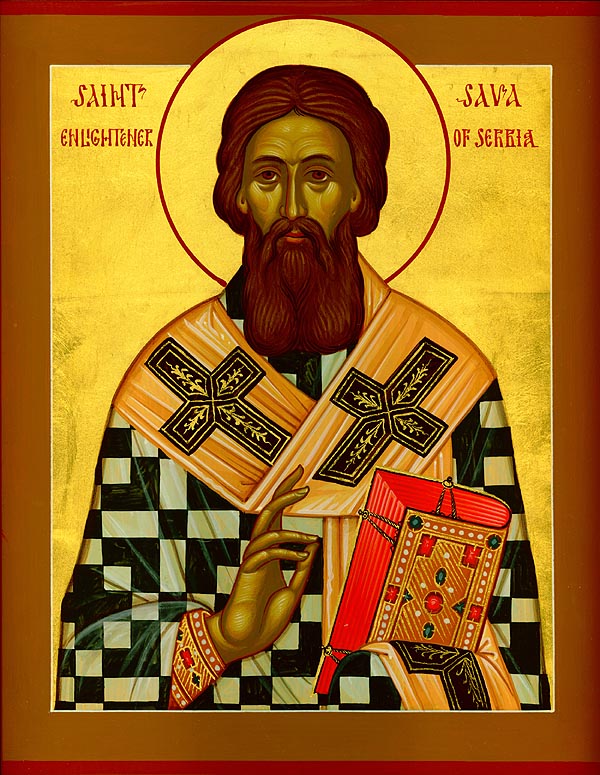
His birth and upbringing: Saint Saba was born in 1169. He was the third son of the Grand Prince of Serbia, Stefanos Namenja the Pious. The time of baptism took a name
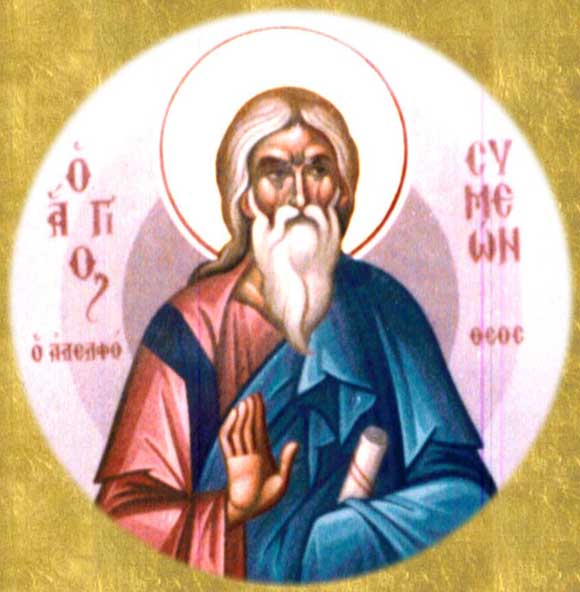
Simon was the son of Cleopas, and Cleopas was the brother of Joseph the Betrothed. Accordingly, Simon is, according to custom, the cousin of the Lord Jesus.
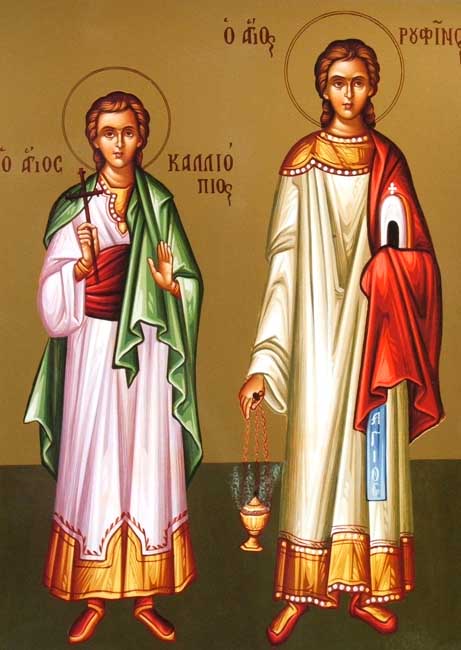
During the time of the Roman Emperor Maximian of Daea (235-238 AD), Rufinus, the deacon of the Church of Sinope in Pontus, arrested and handcuffed him with iron. And when a noble woman dared