
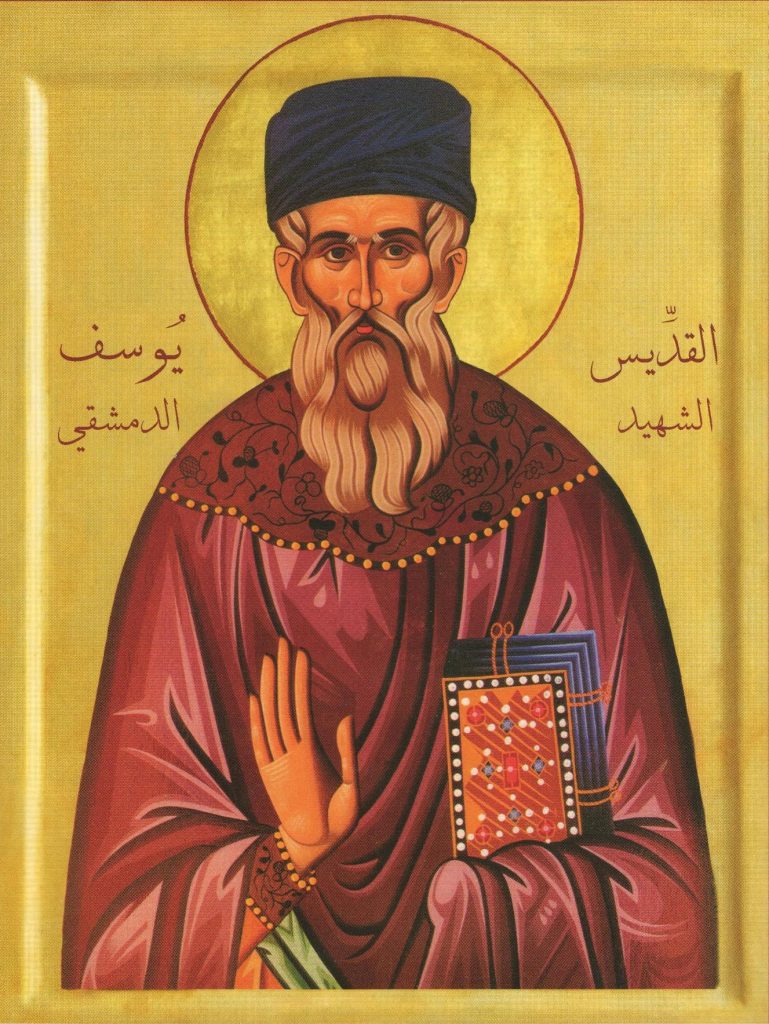
Youssef Al-Dimashqi, the saint and martyr among the priests
He is Father Youssef bin Girgis Musa bin Muhanna Al-Haddad (1), known, for short, as Father Youssef Muhanna Al-Haddad. He is of Beirut origin, […]
He is Father Youssef bin Girgis Musa bin Muhanna Al-Haddad (1), known, for short, as Father Youssef Muhanna Al-Haddad. He is of Beirut origin, […]
We have little information about him. Perhaps he was born in Jerusalem during the fourth century AD. He grew up with a love of piety and virtue. A young man became a disciple of the saint
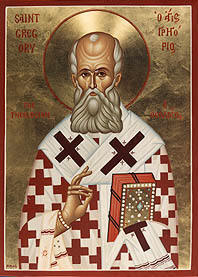
His life: Gregory’s family belonged to the large and rich royal families and lived in a town called “ARIANDOS – Ariandos” near the town.
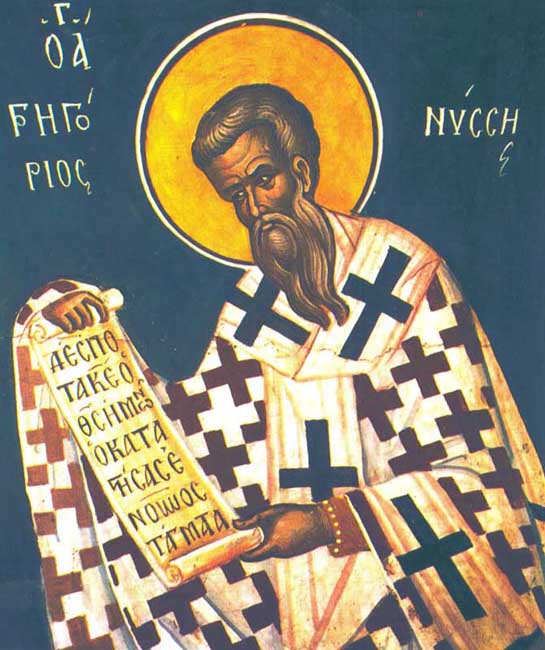
We do not have sufficient data about the details of his life, but we can trace its stages through information scattered in his writings, from letters
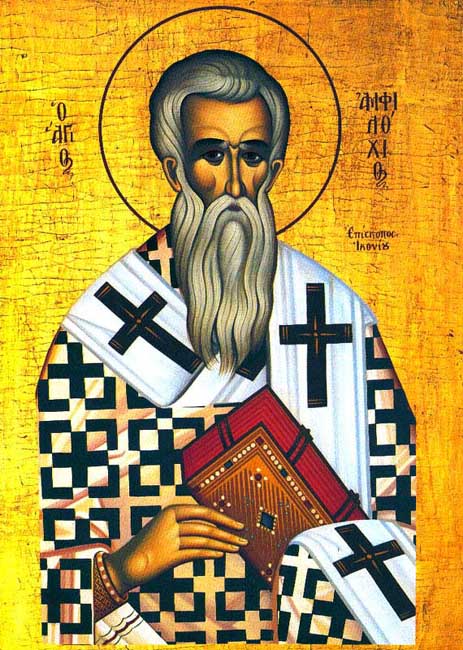
He is one of the most prominent fathers who participated in the Second Ecumenical Council in Constantinople in the year 381, which was the council that refuted the heresy of Macedonius.
The mystery of the Holy Trinity, which the Church believes in, was neither the product of human thought nor the result of external religious or philosophical influences.
We believe, in Al-Dimashqi’s words, “in one essence and one divinity in three persons, united without confusion, and distinct without interruption.” And in reality
The Orthodox Church refers in its prayers to death as “sleep,” because it believes in “personal existence after death,” and it hopes for all those who have fallen asleep to rise.
Call to hold the Council: (381) {The Second Ecumenical Council is a natural result of the Council of Nicaea, because the Arians who said “that the Son
428 - 441 The vacancy of the Constantinople see: Atticus, Bishop of Constantinople, died in the fall of the year 425. Proclus, the secretary, ran for the succession.
His life: The seventh century was also a century of turmoil, wars, and religious problems. After Eutyches, the heresy of nature and one will came in a period