
Diodochus the Righteous, Bishop of Photiki
It is believed that he was born at the beginning of the fifth century AD. He became bishop of ancient Iberia between 451 and 458 AD. Fotiki, the center of his diocese, […]
It is believed that he was born at the beginning of the fifth century AD. He became bishop of ancient Iberia between 451 and 458 AD. Fotiki, the center of his diocese, […]
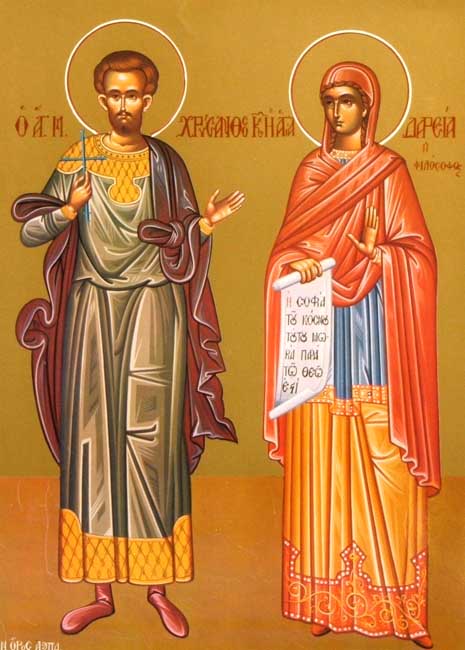
Chrysanthus was the only son of one of the well-known sheikhs of Alexandria, Polemius. The latter moved to Rome at the time of the Roman Emperor Numerian (283-
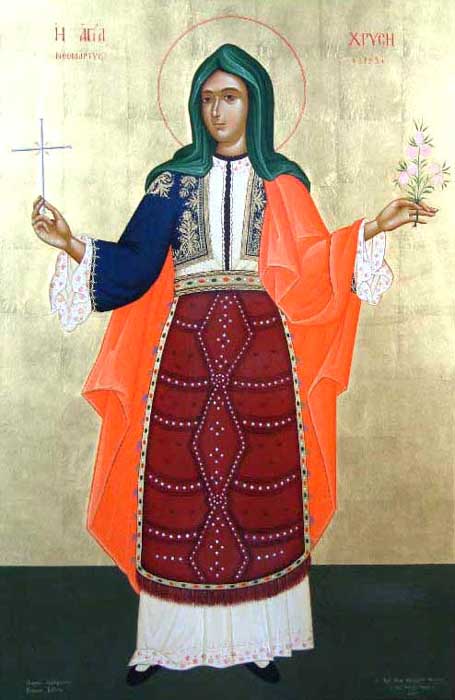
Kharisi was born in the late eighteenth century in a poor Bulgarian village called Slatin, whose parents were suffering from hardship.
Gennadius became Patriarch of Constantinople in the year 458. He was known for his piety and integrity. He was concerned with controlling the affairs of priests after simony - the trade of priestly ordinations -
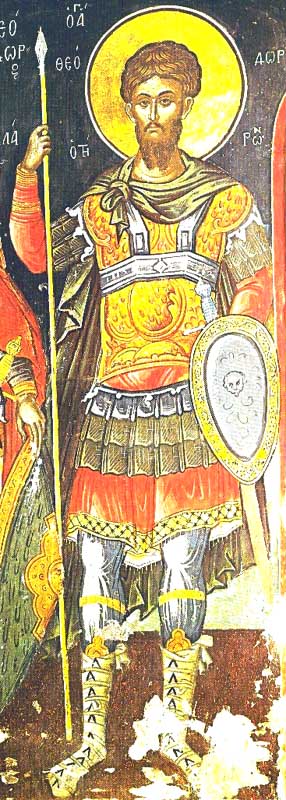
Saint Theodore is one of the most famous martyrs in the East, and he is not Saint Theodore, the army commander, whom the church celebrates on February 8.
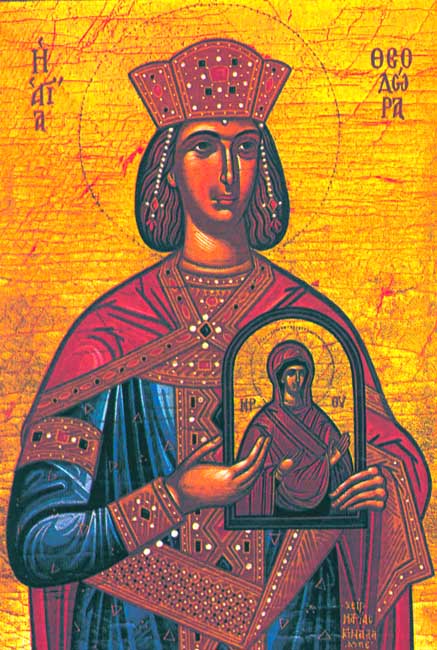
She is Theodore, the Queen of Paphlagonia. From the noble class. She enjoyed stunning beauty and penetrating intelligence. She took piety and faith from her mother, Theoctista.
These people apparently died as martyrs for Christ at the time of the Roman Emperor Diocletian (284-305 AD), and they are from our country, even if they were not specified in the article.
The oldest testimony about Saint Theodore is a sermon delivered by Saint Gregory of Nyssa. We don't know anything about his homeland. We just know that
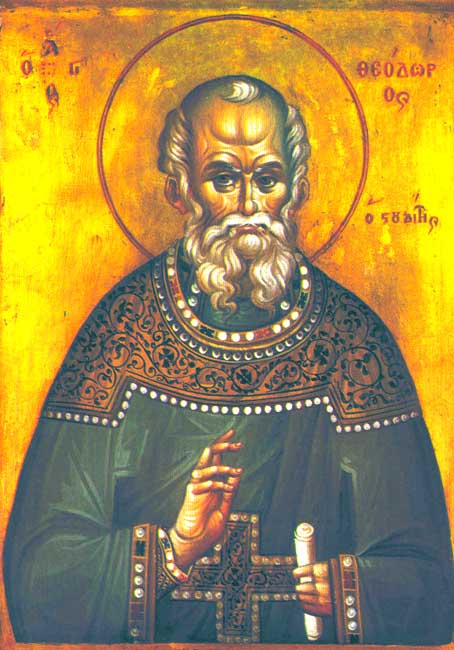
His upbringing and times Saint Theodoros was born in Constantinople in the year 759 AD, in the bosom of aristocracy. His time was characterized by a brutal war
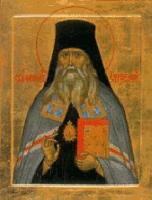
The Russian Church canonized him in 1988 AD on the occasion of the millennium feast of the Baptism of the Russian people. He is rightly considered one of the most prominent makers of the spiritual renaissance
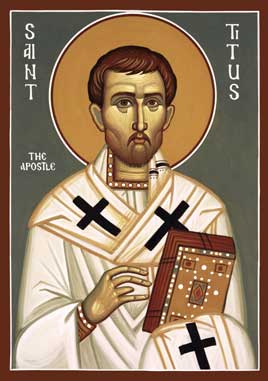
On the twenty-fifth of August, our church celebrates a saint who was one of the first Christians of non-Jewish origin who believed at the hand of Paul
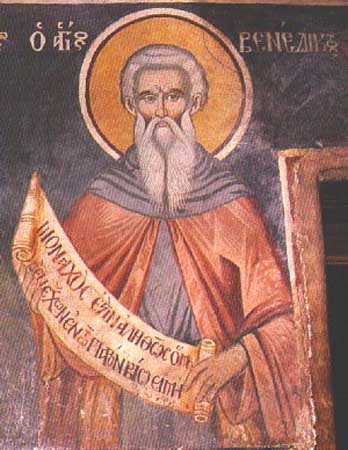
The basic reference for the biography of Saint Benedict (in Arabic, Mubarak), whom the Church celebrates on the fourteenth of March, was prepared by the writer.