
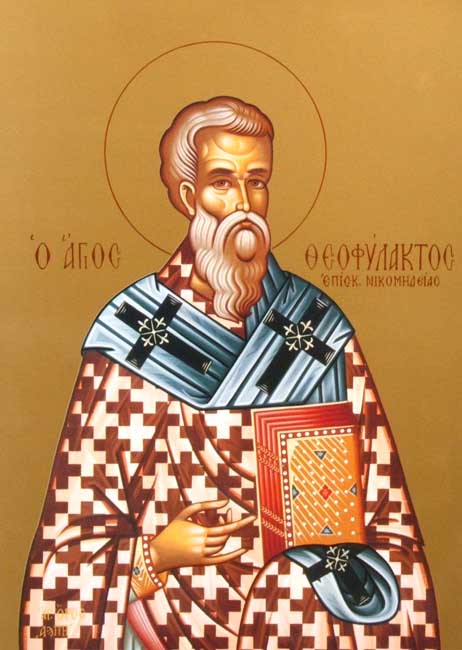
Theophylactus of Nicomedia, our venerable father among the saints
Theophilectus was born around 765 AD to a humble family of commoners. He left his homeland as a young man and went to the royal city, where he was an imperial advisor at that time.
Theophilectus was born around 765 AD to a humble family of commoners. He left his homeland as a young man and went to the royal city, where he was an imperial advisor at that time.
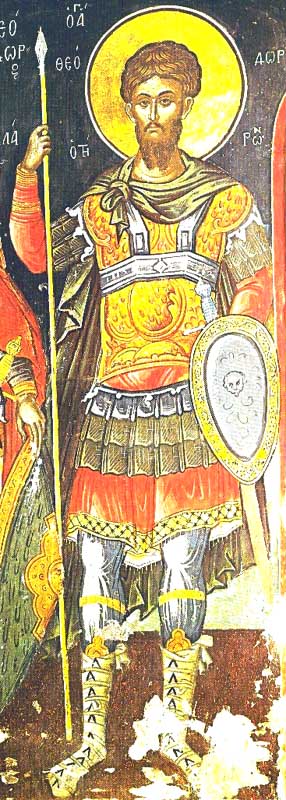
Saint Theodore is one of the most famous martyrs in the East, and he is not Saint Theodore, the army commander, whom the church celebrates on February 8.
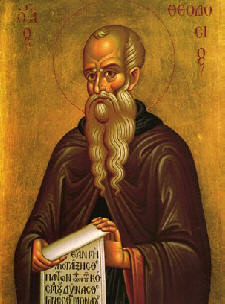
Theodosius was born in a village in Cappadocia called Mogarisos to pious parents, where his mother became a monk in her old age, and her son Theodosius became her father.
These people apparently died as martyrs for Christ at the time of the Roman Emperor Diocletian (284-305 AD), and they are from our country, even if they were not specified in the article.
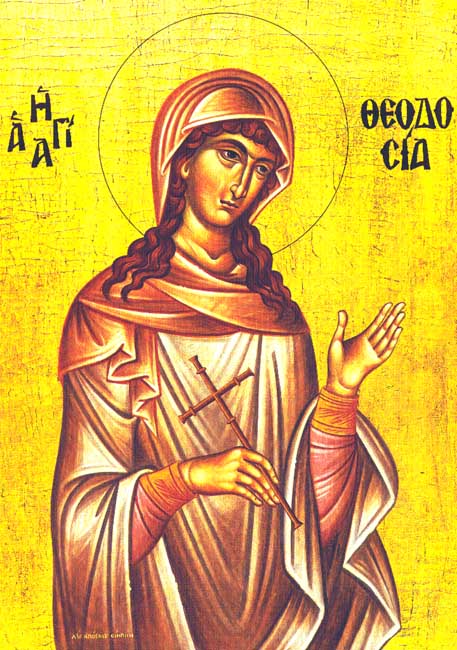
Scholars see her martyrdom between the years 307-308 AD. Urban was the ruler of Caesarea at the time, and he had a great killing against Christians during the reign of Emperor Diocletian.
The Russian Church canonized him in 1988 AD on the occasion of the millennium feast of the Baptism of the Russian people. He is rightly considered one of the most prominent makers of the spiritual renaissance
Tertullian was born around the year 155 in Carthage to pagan parents. He received high-level education and excelled in philosophy, literature, and even medicine.
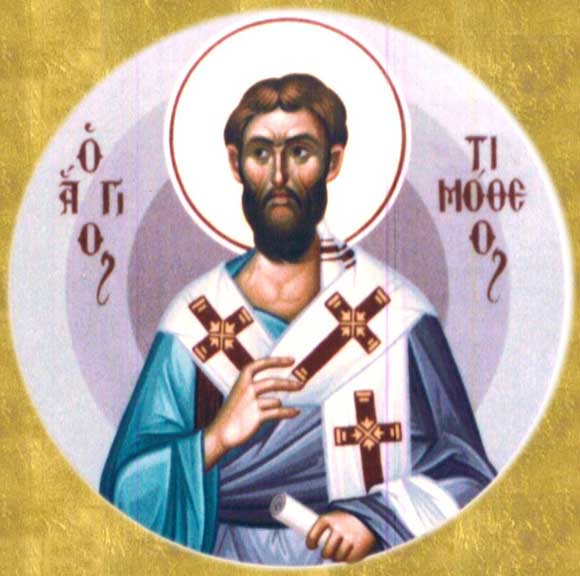
Timothy, a Greek name that means “a worshiper of God” or “one who honors God.” He was born of a pagan father and a Jewish mother called Eunice (Acts of the Apostles).
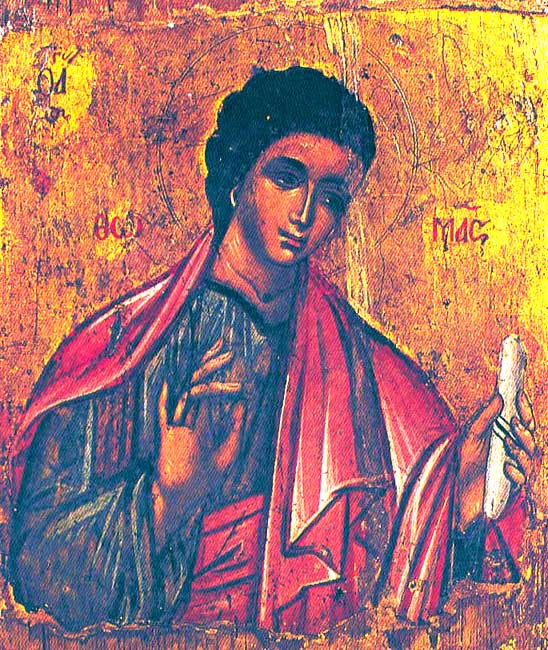
He is one of the twelve disciples of the Lord Jesus Christ and is called the Twin. It is known in the Gospel of John, in particular, from three situations:
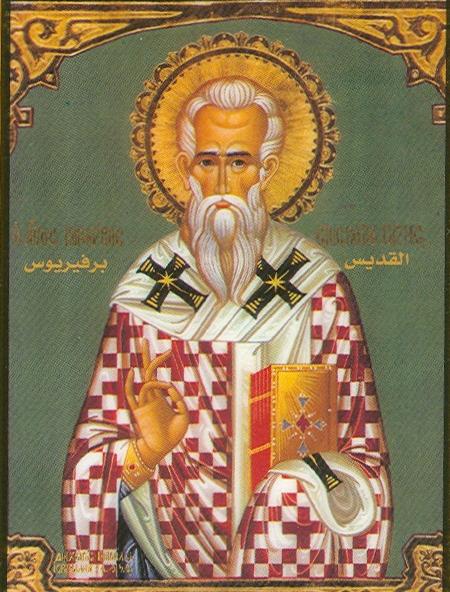
Saint Porphyrius was born in Thessaloniki/Greece to parents rich in virtues and wealth. He attained abundant knowledge and turned away from the blessings of the earth.
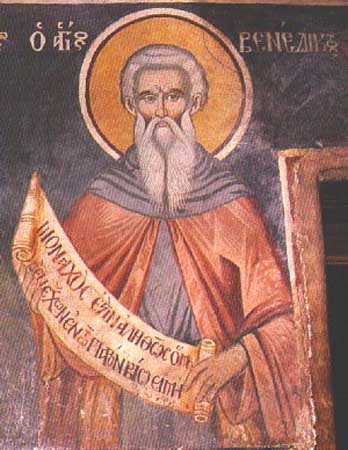
The basic reference for the biography of Saint Benedict (in Arabic, Mubarak), whom the Church celebrates on the fourteenth of March, was prepared by the writer.
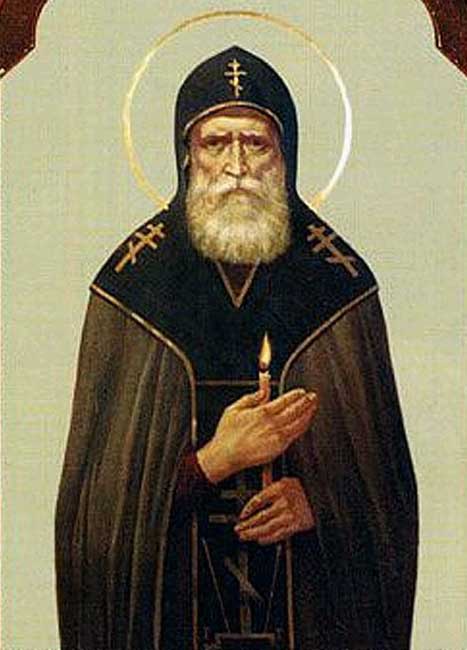
This righteous man had a weak physical structure since his birth, as he continued to suffer throughout his life from many ailments that affected various organs